I began searching for a guide.
Someone who could tell me what it felt like when your brain begins changing while the rest of your life still looks successful.
Someone who had already walked far enough down the road to warn me about the turns ahead.
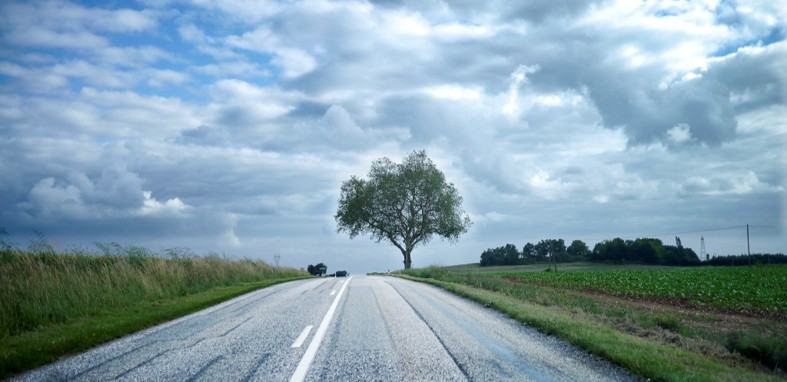
I wasn’t looking for hope. I was looking for a road map.
I found none.
That left me alone as I took my first steps into years of medical appointments, uncertainty, and questions no one seemed able to answer. I wasn’t prepared for what followed. I wish I had been.
I was in my prime: in the job I dreamed of and worked toward my entire life, on the verge of tenure and promotion at a respected private university, living in a location I loved…and my memory problems were getting worse. I couldn’t ignore them any longer.
The years that followed were more difficult and more complicated than I ever imagined.
More than a decade later, I am now ready to write the story I had searched for, so someone standing where I once stood might not feel as alone as I did.
I began my writing by once again seeking others. This time, I did find others whose experiences echoed parts of my own. Their stories had not yet been written when I first searched years before, but I still need them now for different reasons.
Although these authors came from different professions and different circumstances, I recognized something of myself in each of them.
Wendy Mitchell’s Somebody I Used to Know was the first memoir I found, and I was immediately drawn to the experience that first shook her: falling while running a path she runs every day.
For me, it was losing words in the classroom. I said the same thing she did: “This has never happened before.”
Whatever the moment, I think most of us encounter something that triggers us to begin the journey.
As a fellow academic, I was eager to read Gerda Saunders’ account of cognitive decline: Memory’s Last Breath. Although our experiences were different, I recognized many of the same questions about identity, memory, and academic life.
Reading Rebecca Chopp’s Still Me: Accepting Alzheimer’s Without Losing Yourself reminded me that cognitive decline does not spare accomplishment. Even someone who reached the highest levels of academic leadership can find herself asking many of the same difficult questions.
Reading their stories reminded me how powerful lived experience can be.
Although none mirrored my situation exactly, each helped me understand another piece of the landscape.
I hope these books make your journey a little less lonely.
I’m writing my memoir in the hope that it might someday become the book I couldn’t find.
Photo by Pierre PRESTAT, used under Creative Commons license.