About Me
The Absent-Minded Professor
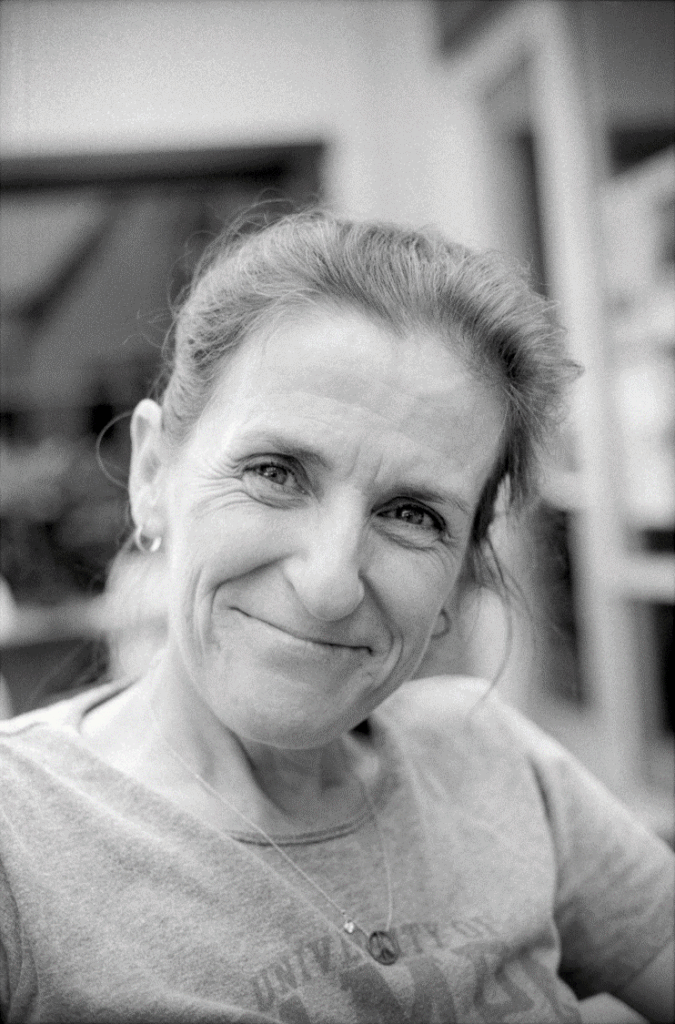
I spent more than thirty years teaching, researching, and serving my community before cognitive change led me in an unexpected new direction—as a memoirist writing about life with cognitive impairment.
In my mid-forties, I began noticing subtle changes in memory and executive function. What followed was a long period of uncertainty, medical evaluation, adaptation, and eventually leaving the academic career I loved when cognitive impairment made it impossible for me to continue doing the work.
Throughout that journey, I kept asking questions. What was happening? Why was it so difficult to explain? How could someone appear successful on the outside while quietly struggling to do the work that had once come naturally?
Writing became one way to make sense of those questions. Today, those questions continue to shape what I write about—cognitive change, invisible disability, identity, adaptation, and the search for meaning after diagnosis.
When I’m not writing, you’ll usually find me walking through downtown St. Petersburg with friends, reading narrative nonfiction, or serving the feline persuasion.
I continue to believe that understanding begins with curiosity, conversation, and paying close attention.
About This Site
Memory Dialog began years before I wrote my first memoir chapter or published my first essay.
Years ago, when I first noticed changes in my thinking, I registered the domain name knowing that someday I would need a place to organize my thoughts and make sense of what was happening. I wasn’t ready to write then—but I hoped I would be someday.
That day eventually arrived.
Building and maintaining the site has required me to find new ways of working—and to accept assistance with tasks I can no longer manage reliably on my own.
Today, Memory Dialog is growing into three connected parts.
- My Memoir shares the story of living with cognitive decline while teaching at a university and the journey that followed.
- Field Notes continues the conversation through shorter companion essays exploring questions that reach beyond the memoir itself.
- Resources (forthcoming) is where I collect books, organizations, and other materials that may be helpful to people living with cognitive change or supporting someone who is.
Whether you arrived here because of your own experiences, someone you care about, or simple curiosity, welcome. I hope you’ll find understanding, encouragement, and perhaps the reassurance that you are not alone.