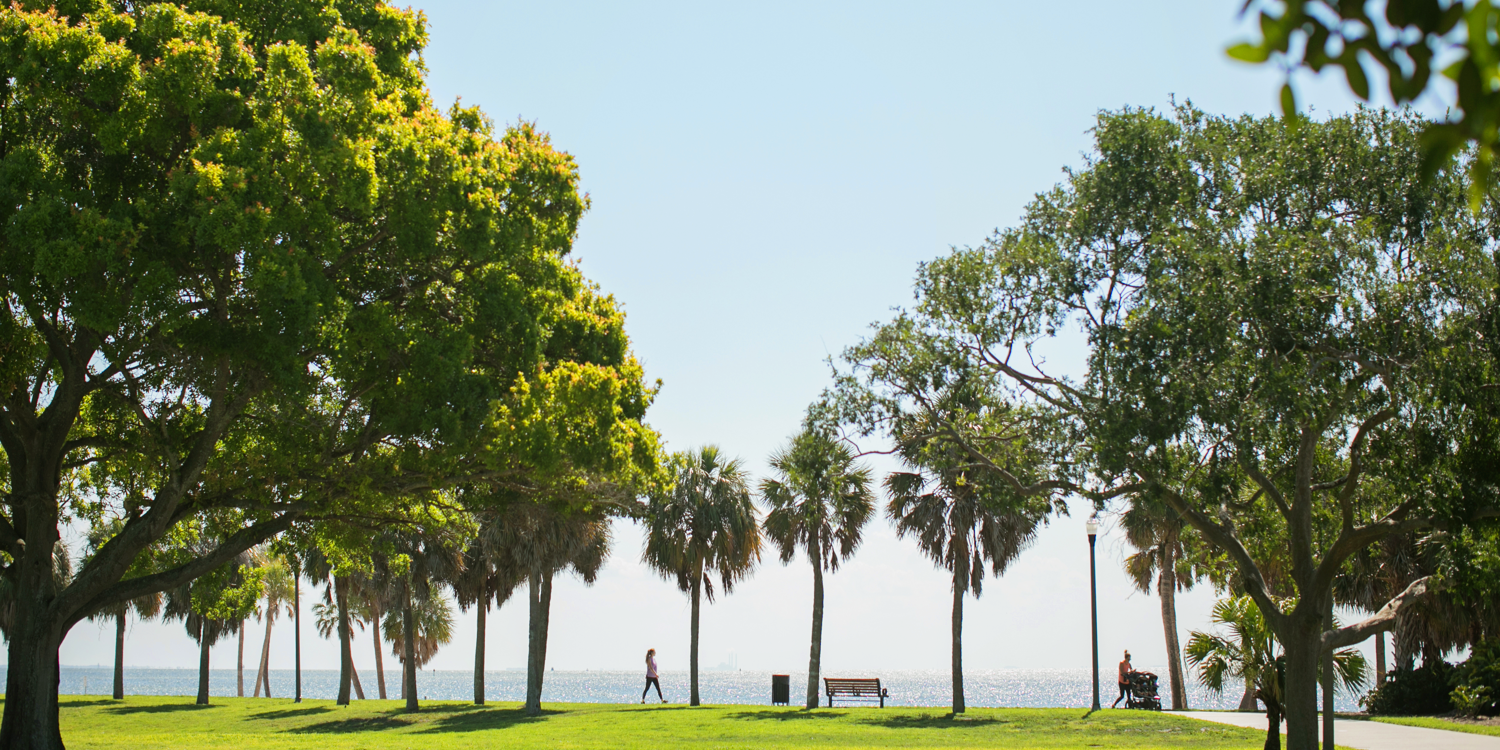
My friend Amy invited me to walk with her Saturday mornings, and I jumped at the chance. I needed to get out and get moving, and I welcomed the social interaction. Soon, this became a regular thing, multiple times a week starting well before sunrise.
I realized this was doing more for me than getting fresh air and keeping my waistline from growing any further.
It was also something I could do for my brain.
Of course I should write a Field Note about this: Walking and Brain Health.
After hours of research, I encountered discussions of blood flow to the brain, the hippocampus, memory, cognition, and plenty more. Important stuff. I just didn’t want to write about it.
Everyone knows this…or has at least heard some version of it. If you’re really interested, a search of “Walking and Brain Health” will give you an onslaught of fabulous research to read.
What I realized I wanted to write about instead is how walking taps into a part of me I miss—the scholar who loves observing life and human interactions. Walking in the city is full of opportunity, and I notice it every time I’m out there.
I’m amazed by the number of workers who are up before most, making the city ready for others to inhabit and enjoy: making deliveries, pressure washing, cleaning grease traps, beautifying our parks.
There are the many morning rituals that make me smile: from the father gliding by on roller blades, pushing his curly-haired daughter in a baby carriage, to the woman who wades out to her waist to greet the morning sun.
And then there are the now-familiar strangers—dozens of them: the Nordic walker who says “Good Morning, Y’all,” the Jehovah’s Witnesses with peaceful morning greetings, and the many runners with unmistakable strides.
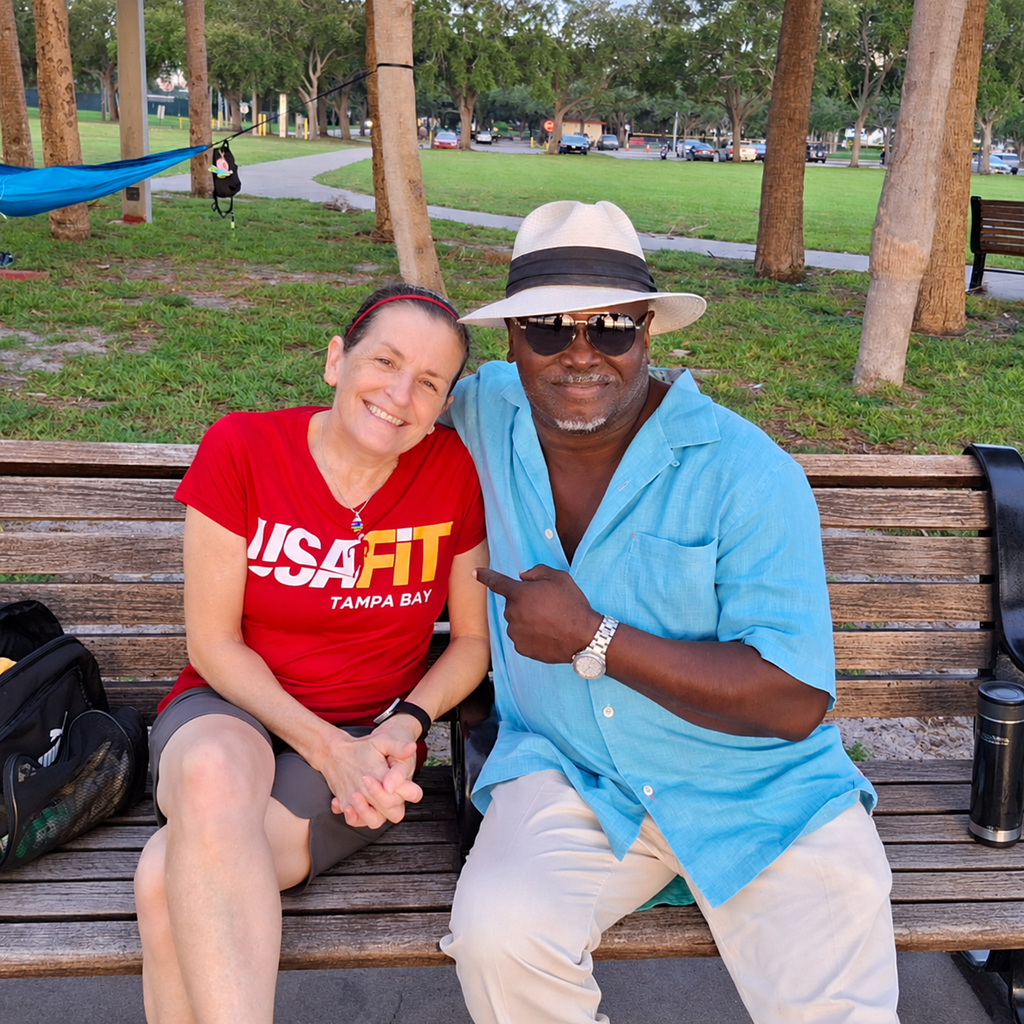
And then there’s Al—the Sunshine Mayor—a beloved public character who, for two hours every morning, occupies the same bench where a plaque marks his space—ready to talk with anyone who wants to sit for a bit.
The opportunities for observation and wonder go on and on—public life unfolding and connections forming among people who don’t know each other. Yet, somehow, we do.
There was something familiar about all of this. It took me back to years prior, when I first moved to the city and watched my neighborhood come alive from my sunroom. At the same time, I was engaged in studies of “space and place”—learning how physical environments become socially meaningful places because of the ways we use, experience, interpret, and interact within them.
Jane Jacobs was one author I especially remember because she connected my love of communication and public life with my interest in city planning. In The Death and Life of Great American Cities, Jacobs writes about the role sidewalks play in a city’s public life—and about the “public characters” who inhabit them.
“Lowly, unpurposeful, and random as they appear, sidewalk contacts are the small change from which a city’s wealth of public life may grow” (p. 72).
We do see it growing every day.
It surprises me that somewhere along the way, I stopped seeing this—busy working in the world and professing at the university.
But I’m no longer just passing through on my way to this meeting or that lunch. I’m walking the same paths every week, moving slowly enough to notice.
I’m again recognizing the patterns and friendly faces, watching life happen instead of simply trying to arrive somewhere on time.
I’ve missed this part of myself.
She’s not gone. She’s up at some ungodly hour watching college kids play volleyball.
It’s a way of thinking that still matters to me, and walking gives it a place to resurface.
And it’s good for my brain. What could be better than that?
Photo by City of St. Petersburg / CC BY 2.0. Cropped.