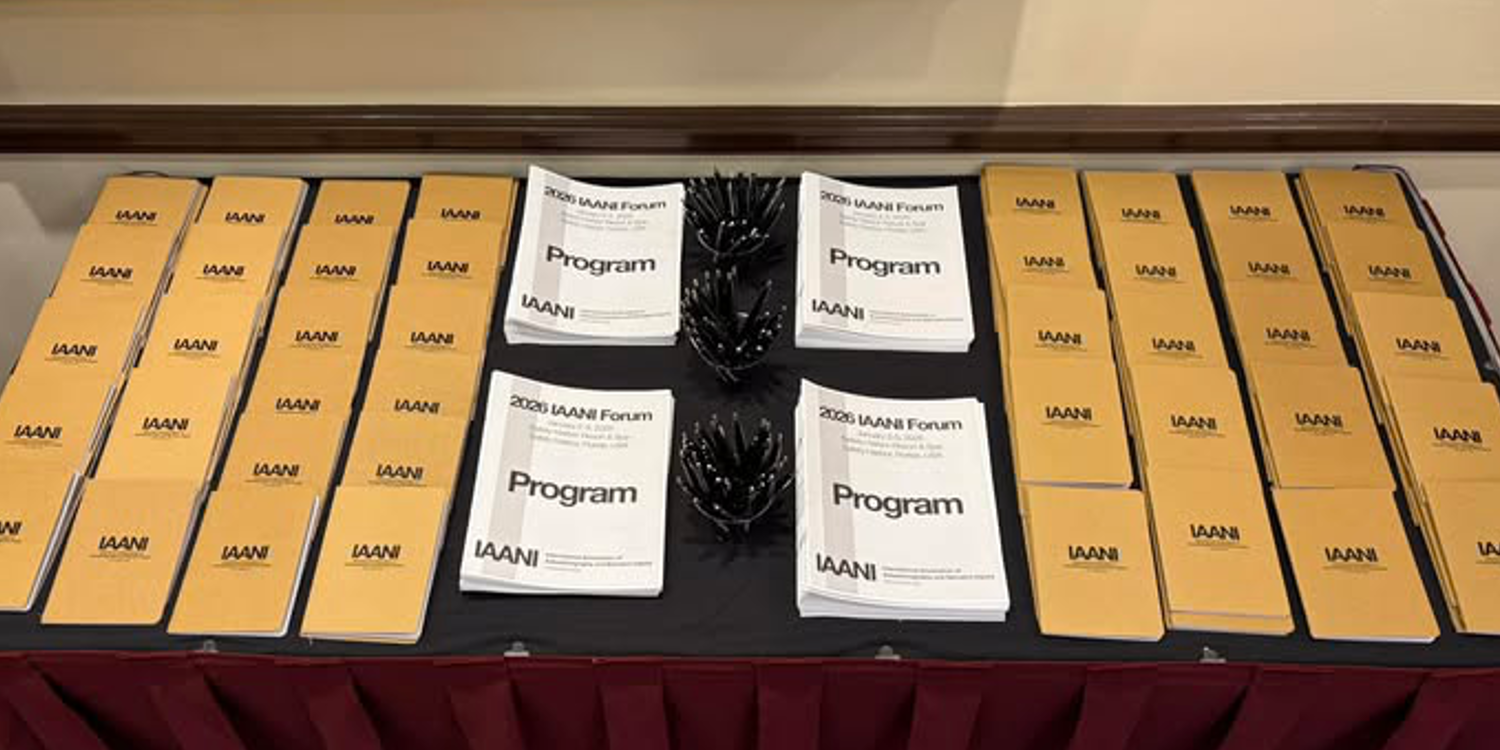
With the holidays over, I turned my attention to the International Association of Autoethnography and Narrative Inquiry (IANNI) Conference. (Yes, that’s a mouthful.)
IANNI started to feel like an academic home for me shortly before I left the university. My final research focus on professional ethics in the real estate industry was taking me deeply into autoethnography, an approach I valued and wanted to explore further.
Just as important were the people there: colleagues from my graduate school days and mentors whom I still turn to for guidance.
No longer an academic, I continue to attend the conference for insight and inspiration. This year, I needed that inspiration more than ever. I wanted it to help move me forward with my memoir.
By this time, I had begun talking with ChatGPT about my memoir and wondering whether it might help me with some of the parts I was struggling with. But the writing was coming slowly.
Before heading to IANNI, I asked ChatGPT to give me an assignment—something specific to listen for that might help with my memoir and give me some focus during the conference.
Of course, Chat complied and gave me three central questions to focus on:
Where do I lean in?
Where do I check out?
What stories work without having to explain themselves?
So, I went to IANNI with homework, and true to my form, my notetaking was extensive.
The assignment also gave me something else: a purpose for being there.
Since leaving the university, I have sometimes felt like an interloper at this conference.
I’m no longer a professor. I’m not conducting research. I’m not publishing.
But I haven’t been able to let this part of my academic life go.
Maybe because I hope someday to find my way back—not to academia exactly, but to writing and thinking.
This year, I finally have a reason to be here.
I am writing something.
And the assignment helped. It gave me focus.
I noticed where I leaned in. And when I checked out, I sometimes wrote about why.
Sometimes I responded to my homework prompts. Sometimes I played around with scenes for my memoir.
Then I attended a presentation that grabbed me. It wasn’t the most heavily attended, but something about it spoke directly to me.
It wasn’t so much the topic as the way Craig McGill from Kansas State University approached his story.
Craig shared a deeply personal story about a relationship and breakup that had affected him profoundly. It took years before he was ready to write about it. By then, he needed to return to emails and other personal records to help reconstruct his story.
His approach connected directly to me and my work.
I had spent months searching through years of emails and other records, trying to reconstruct parts of my own history that memory alone could no longer give me. I had coded hundreds of those pieces.
My problem wasn’t knowing how to approach the research.
My problem was getting my brain to pull all those pieces together.
Listening to Craig didn’t give me a new research method. It reminded me that the method I was already using belonged here.
The work is different now. It’s harder. There are parts of the process my brain can no longer manage as it once did.
But sitting there, listening to another scholar talk about reconstructing a personal history from the records that remained, I felt something I hadn’t felt in a while.
I do belong here.
My work belongs here, too.